Inventory and Logistics
Stock is where the record meets the physical world. Inventory and logistics keeps one item master for the whole company, tracks what is received, issued, reserved and counted, and plans how goods leave — on the same record as the orders that need them.
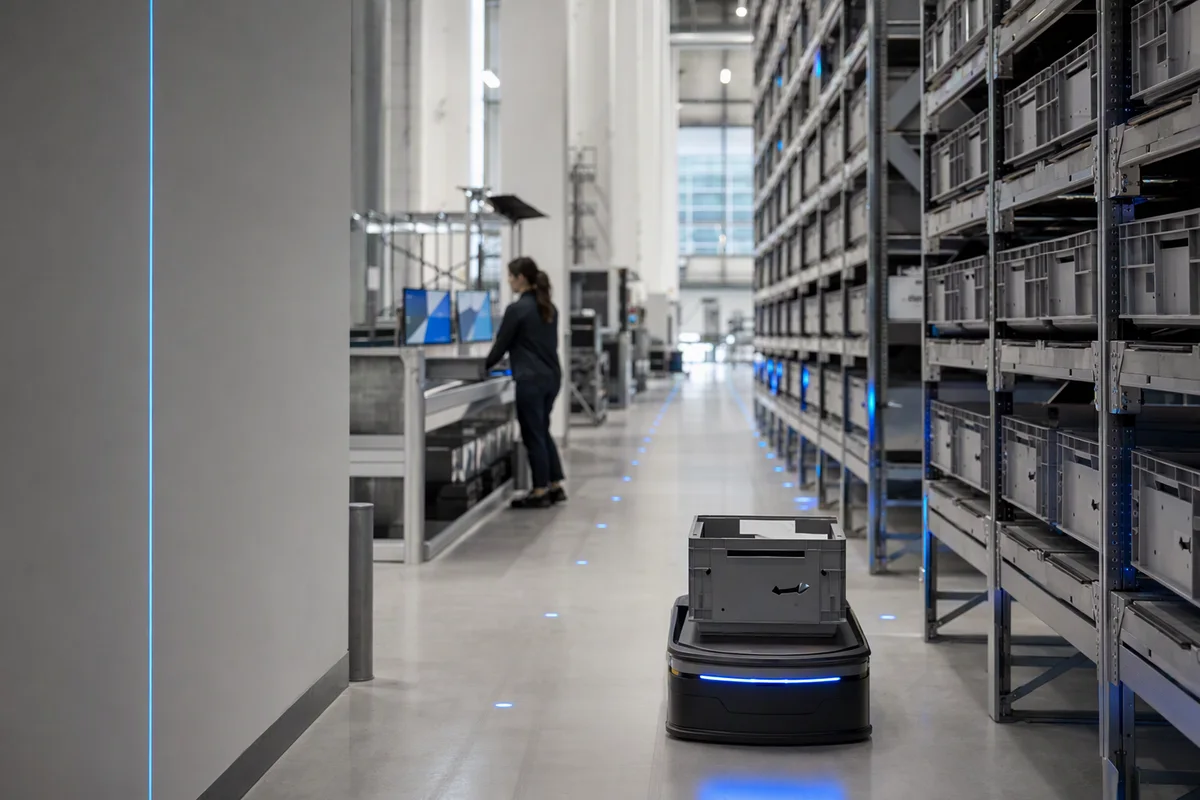
- One item master for every module
- Stock, receipts, issues and reservations
- Counts with differences explained
- Delivery planning and carriers
One item, once
Most companies keep several versions of the same item: one in the ERP, one in the warehouse system, one in the sales catalogue, one in a buyer’s spreadsheet. Hurukan keeps one item master for the whole company. Commerce sells it, Procurement buys it, operations uses it and finance values it, and all of them read the same definition.
Movements, not corrections
Stock is changed by movements: a receipt against a purchase order, an issue against a customer order or a piece of work, a transfer between locations. Each movement has a reason and an author, so the quantity on screen is the sum of what actually happened. Reservations set stock aside for specific orders, which means available stock is a number the company can promise against.
Counts that explain themselves
When a count differs from the record, the difference gets a cause before it gets an adjustment. It is recorded, an agent looks for the likely cause in recent movements, and a person approves the adjustment with a reason. Recurring differences on the same item or location become visible instead of being absorbed year after year.
Getting goods out
Outbound deliveries are planned from confirmed orders in Commerce: grouped, scheduled and assigned to a carrier. The delivery status sits on the order, so customer service can answer “where is it?” without asking the warehouse.
How it fits with what you run
Replenishment runs through Procurement: an agent flags a coming shortfall and prepares a requisition, and a person decides whether to buy. Specialised warehouse equipment, scanners and carrier systems connect through the data layer, so the movements they record land on the same item master.
What the module covers
Item master
Every item defined once, with units, suppliers, documents and rules, and used by commerce, procurement, operations and finance alike.
Stock and locations
Quantities by location, kept current by the movements that change them rather than by periodic corrections.
Receipts and issues
Goods received against purchase orders and issued against customer orders or work, each movement with its reason and its author.
Reservations
Stock set aside for specific orders or work, so what is on the shelf and what is actually available are always two separate numbers.
Counts
Planned and spot counts, with differences recorded, explained and approved rather than silently adjusted.
Delivery planning and carriers
Outbound deliveries grouped, planned and assigned to carriers, with the delivery status visible to commerce and customer service.
Works with

Ontology
The company's digital model: objects, relations and rules, versioned and growing with the business.

Data
Connectors and one data model: imports, sync, documents, e-invoicing and office suites in one record.

Agentic Logic
Domain agents that act within written limits, with people deciding on critical steps.

Procurement
Requisitions, a supplier register with risk status, RFQs, offer comparison, approved purchase orders, deliveries and returns.

Commerce
Opportunities, quotes in variants, versioned offers, contracts, orders and billing schedules on one directory.
Questions
How does it relate to a warehouse management system?
It is designed to cover the core of one: items, locations, movements, reservations and counts. Specialised warehouse automation and scanning hardware connect through the data layer, with the supported devices agreed case by case.
What triggers replenishment?
An agent watches stock against reservations and plans, and proposes a requisition when an item will run short, with the reasoning. Procurement and a person take it from there.
Can carriers be connected directly?
Carriers connect through the data layer. The list of connected carriers will be published as each connector is built.
Build the company's operating system with us
Hurukan is pre-launch. If you run a company and want a sovereign, agentic system rather than another suite, we would like to hear what you need.