Customer Service
A customer who writes in should not have to explain their own history. Customer service works on the same record as commerce, operations and finance, so every case opens with the orders, deliveries, invoices and earlier conversations already in view — and an agent drafts the answer for a person to send.

- Cases with stages from process templates
- SLA tracking and escalation
- The customer's full history across every module
- Agents draft answers; a person sends them
A case that starts with the history
Most service tools start every conversation from a ticket and an email address. The agent on the other end then opens three other systems to learn what was ordered, whether it shipped and whether it was paid. In Hurukan a case is opened on the customer’s record, so the orders, deliveries, invoices, contracts and earlier cases are already there. Nobody has to ask the customer for information the company already holds.
Agents draft, people send
An agent reads the incoming message and the history, classifies the case, suggests the stage template it belongs to and drafts an answer, citing the records it used. A person reads the draft, changes what needs changing and sends it. Contacting a customer is a commitment made in the company’s name, so it belongs to a person.
Time limits that hold
Each case type has its response and resolution times, set per customer or contract where they differ. Hurukan tracks them from the record and escalates by rule: to a senior colleague, to the account owner, to the person responsible for the area at fault. Escalations and their outcomes are logged with the case.
From case to cause
A complaint about a late delivery belongs to the delivery; a complaint about a faulty part belongs to the item and its supplier. Linking cases to their causes means Operations and Quality and Procurement see recurring problems as they build up, not in a quarterly review.
What the module covers
Cases and stages
Every enquiry, complaint or request becomes a case that moves through stages defined by a process template, so the next step and its owner are always clear.
SLA and escalation
Response and resolution times set per case type and customer. Cases approaching their limit are flagged early and escalated by rule, not by memory.
Full customer history
Orders, deliveries, invoices, contracts and earlier cases from every module on one screen, because they are already one record.
Drafted answers
Agents read the case and the history and draft a reply with the sources it relied on. A person edits, approves and sends it.
Causes, not just cases
Complaints linked to the delivery, item or supplier behind them, so a recurring cause shows up in operations and procurement rather than only in the service queue.
Works with
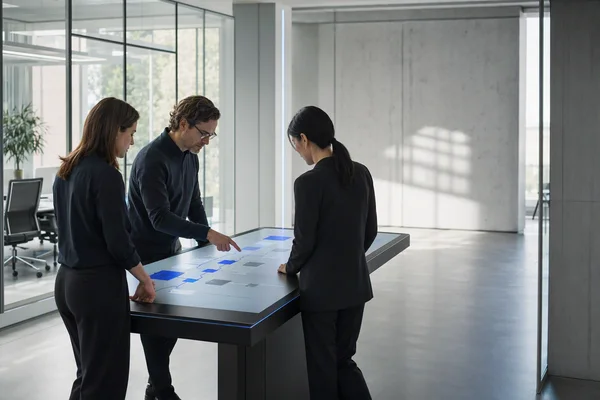
Agentic Logic
Domain agents that act within written limits, with people deciding on critical steps.

Super Intelligence
Frontier and local models, routed per task under the company's rules.
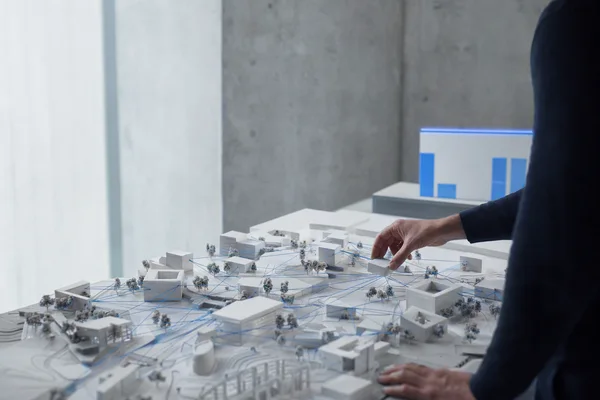
Ontology
The company's digital model: objects, relations and rules, versioned and growing with the business.

Commerce
Opportunities, quotes in variants, versioned offers, contracts, orders and billing schedules on one directory.
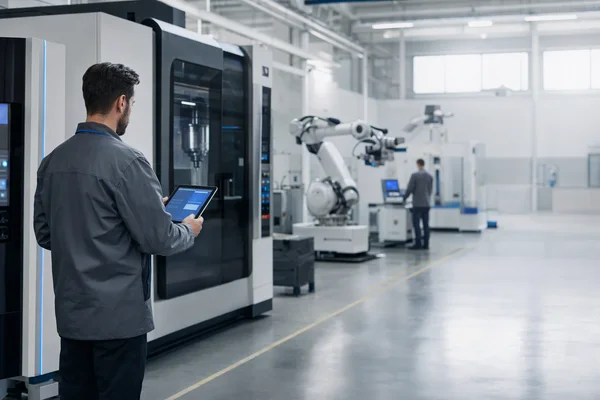
Operations and Quality
Planning, work queue, scheduling, hours and subcontracting; inspections, non-conformances, release and certificates.
Questions
Will customers talk to a bot?
By design, customers hear from people: agents draft answers and a person sends them. A customer-facing assistant is a separate decision, yours to make, with its own written limits.
How is an SLA tracked?
Each case type carries its response and resolution times, which can differ by customer or contract. The clock runs from the record, and escalation follows the rules you set rather than somebody noticing.
Can service see orders, deliveries and invoices?
Yes, within each person's permissions. The case sits on the same record as everything else the customer has done with you, so service works from the shared data rather than a database of its own.
Build the company's operating system with us
Hurukan is pre-launch. If you run a company and want a sovereign, agentic system rather than another suite, we would like to hear what you need.