Modules
Marketing to finance, procurement to people: ten modules, each covering one area of the company, and all reading the same data model. Adopt one first; the others use the same customers, items, orders and people when they arrive.
One company, ten ways in
Each module covers one area of work: finding customers, selling to them, serving them, delivering what was sold, buying what is needed, keeping stock, controlling budgets and cash flow, organising people, running projects and making decisions. They share one model of the company: all of them read and write the same records through the same ontology, which is why a quote in commerce already knows the open complaint in customer service and the overdue invoice in finance.
Adopted one domain at a time
Replacing everything at once is how programmes like this fail. So each module is built to run alongside the systems a company already has: import the records it needs, keep the old system connected while the two overlap, and retire it once the new record has proved itself. The next module then starts with data that is already there. Some systems stay for good: full accounting runs in a dedicated accounting program, which Finance connects to.
The same rules everywhere
Every module works the same way underneath. Agents prepare and propose; on critical steps a person decides; every action is logged. Proposals from all ten land in one approval inbox, which is the Decisions and Tasks module, and every module is extended the same way: by describing what is missing and letting an agent build it on the shared model.
Each module page says what it covers and how it works with the systems a company already runs.

Marketing
B2B funnel, target accounts, campaigns and content, with lead scoring that shows its evidence.

Commerce
Opportunities, quotes in variants, versioned offers, contracts, orders and billing schedules on one directory.

Customer Service
Cases with stages, SLAs and escalation, the customer's full history, and agents drafting answers for people to send.

Operations and Quality
Planning, work queue, scheduling, hours and subcontracting; inspections, non-conformances, release and certificates.

Procurement
Requisitions, a supplier register with risk status, RFQs, offer comparison, approved purchase orders, deliveries and returns.
Inventory and Logistics
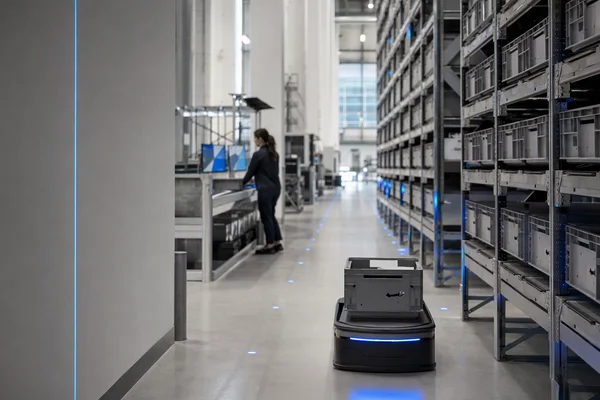
Item master, stock, receipts, issues, reservations and counts; delivery planning and carriers.

Finance
Finance and controlling: budgets from plan to forecast, inbound invoices, invoicing, payments and cash flow, linked to accounting.

People
People registry, org units, access, certifications with expiry, leave, rosters and time-and-attendance anomalies.

Projects and Documents
Programmes, stages, milestones and budgets per project, portfolio views, and every document attached to its record.

Decisions and Tasks
One approval inbox for agent proposals with sources and risk, and tasks that always have an owner.
Build the company's operating system with us
Hurukan is pre-launch. If you run a company and want a sovereign, agentic system rather than another suite, we would like to hear what you need.